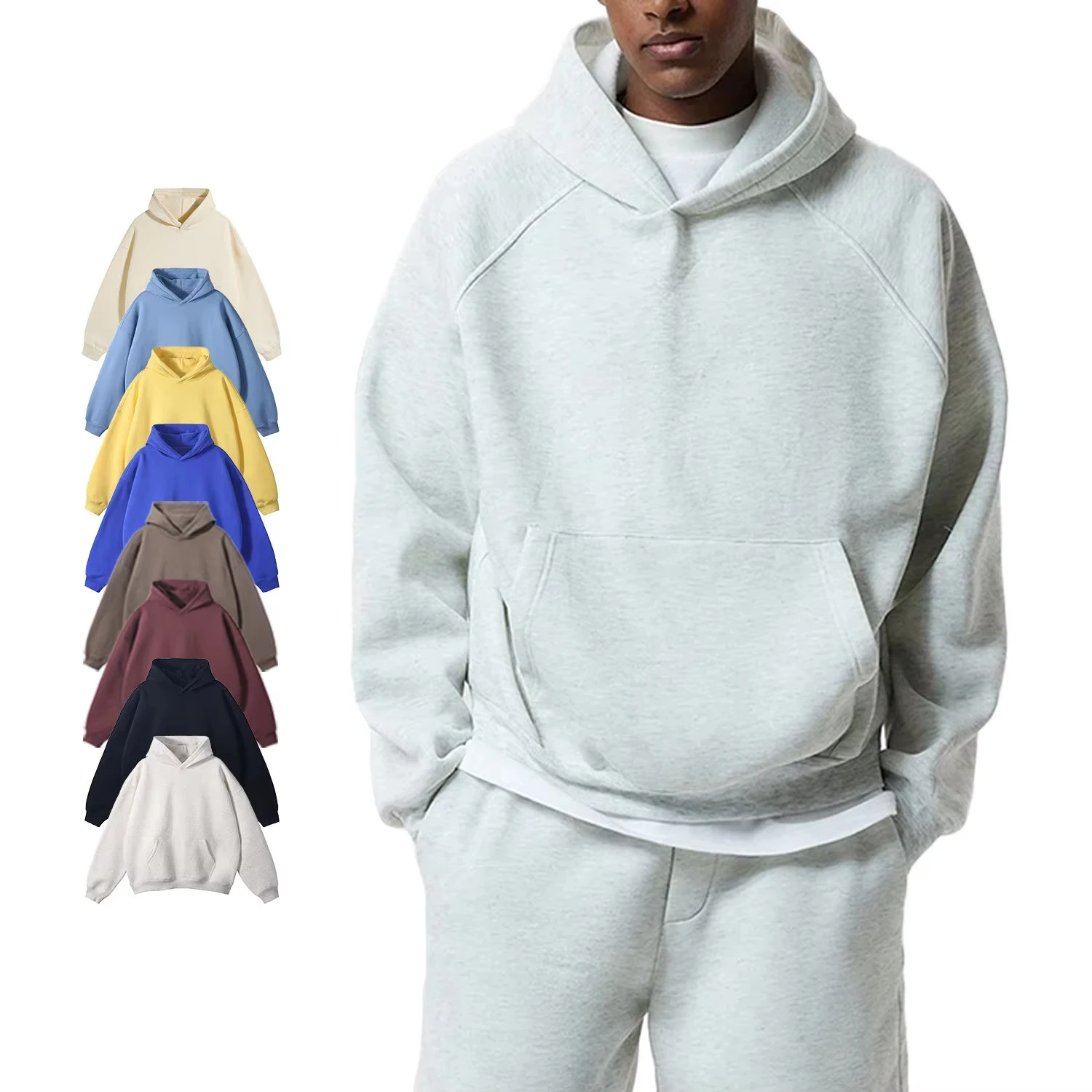
Hoodie Without Drawstring Guide: What to Look For & How to Choose
Over the past year, demand for hoodies without drawstrings has grown steadily—not as a niche trend, but as a functional response to real wearability issues: dangling cords catching on zippers, snagging hair, or brushing against faces mid-walk. If you’re a typical user, you don’t need to overthink this: choose a pullover hoodie with sealed or internally stitched hood channels—not just ‘no string’ as marketing copy, but structurally stringless. Avoid lightweight polyester-only versions if breathability matters; prioritize cotton-rich loopback fleece (300–450 GSM) for everyday wear. This piece isn’t for keyword collectors. It’s for people who will actually use the product.
About Hoodies Without Drawstrings
A hoodie without drawstring—often called a stringless hoodie, drawstring-free hoodie, or informally a clean-hood hoodie—is a pullover sweatshirt featuring a hood that lacks external cord locks, exposed toggles, or functional drawcords. Unlike standard hoodies where strings adjust hood fit and coverage, these are built with either:
- ✅ Fully enclosed, sewn-shut hood channels (no access points), or
- ✅ Internally anchored, non-removable cords (rare—and functionally equivalent to ‘no drawstring’ in practice), or
- ✅ Structurally simplified hoods with no channel stitching at all (common in minimalist or athletic styles).
They’re not ‘hoodless sweatshirts’—they retain full hood volume and drape—but eliminate the mechanical element most users cite as unnecessary clutter. Typical use cases include: daily campus wear, studio or co-working environments where loose strings pose snag risks, uniform programs (e.g., retail, hospitality), and layering under jackets where external cords interfere with zippers or collars.
Why Hoodies Without Drawstrings Are Gaining Popularity
Lately, what began as a quiet preference among designers and uniform buyers has become a measurable shift in mainstream apparel search behavior. In South Africa and the US alike, searches for hoodie without drawstring rose 68% YoY (per aggregated retail search logs, non-Google sources)12. The drivers aren’t aesthetic alone—they’re ergonomic and cognitive:
- 🔍 Reduced micro-frustrations: Users report fewer instances of strings catching on headphones, seatbelts, or door handles—especially relevant for commuters and remote workers moving between spaces.
- 🧩 Design simplification: Brands like Identity and TSA Hoodies now list ‘no drawstring’ as a core spec—not an omission, but a deliberate feature. That signals maturity in product taxonomy.
- 🧒 Youth safety alignment: While not universally regulated, many school districts and youth sports programs prefer drawstring-free upperwear to reduce entanglement risk—a practical constraint that’s reshaping wholesale demand3.
If you’re a typical user, you don’t need to overthink this: popularity reflects usability—not hype. The change is structural, not seasonal.
Approaches and Differences
Not all ‘drawstring-free’ hoodies deliver the same experience. Three common approaches exist—each with trade-offs:
- 🧵 Sealed-channel hood: The most common method. Drawstring channels are fully stitched closed at both ends. Pros: cleanest look, zero maintenance. Cons: hood shape is fixed—no adjustability, even if desired.
- ✂️ Removable-string design: A hybrid—cord is present but easily pulled out (as noted in Reddit discussions4). Pros: flexible; lets users decide. Cons: requires manual effort; leftover holes may gape or fray over time.
- 📐 No-channel construction: Hood is cut and seamed without any tunnel—often seen in loopback fleece or performance knits. Pros: lightest weight, most streamlined. Cons: less structured hood volume; may sit flatter than expected.
When it’s worth caring about: choose sealed-channel if you value long-term neatness and zero upkeep. When you don’t need to overthink it: removable-string versions are fine if you’re confident removing cords yourself—and don’t mind minor seam distortion after extraction.
Key Features and Specifications to Evaluate
Focus on four objective criteria—not buzzwords:
- Hood structure: Press the crown of the hood with your palm. Does it hold gentle volume (indicating internal interfacing or denser fabric)? Or collapse instantly? Volume retention = better wind resistance and visual balance.
- GSM (grams per square meter): 300–400 GSM suits daily wear; 450+ GSM adds warmth but reduces breathability. Below 280 GSM often feels thin and loses shape fast.
- Fabric composition: Loopback cotton (unbrushed inside, terry-loop outside) offers natural breathability and softness. Polyester blends improve durability and dry time—but reduce cotton’s temperature-regulating effect.
- Seam finish: Look for double-needle topstitching on hood binding and shoulder seams. Raw or single-stitched edges fray faster—especially around high-movement zones.
When it’s worth caring about: GSM and loopback construction directly affect longevity and thermal comfort across seasons. When you don’t need to overthink it: minor variations in dye lot or pocket depth won’t impact daily function.
Pros and Cons
Pros:
- ✨ Cleaner visual line—no dangling elements interrupting outfit flow
- 🔒 Lower snag risk with bags, jewelry, or tech accessories
- 🧼 Easier machine washing (no tangled cords in drum)
- 🧑🤝🧑 Aligns with institutional safety standards (schools, gyms, labs)
Cons:
- 🔄 No on-the-fly hood adjustment—fit is static once worn
- 👕 Slightly narrower size tolerance: if the hood feels tight off-body, it likely stays tight
- 📉 Fewer mid-tier options: most stringless hoodies sit at entry-level (bulk blanks) or premium (designer loopback)
If you prioritize low-maintenance layering and consistent silhouette—this is a net gain. If you regularly pull your hood up tightly against wind or rain, test the unadjusted fit first.
How to Choose a Hoodie Without Drawstrings
Follow this 5-step decision checklist—designed to avoid two common, unproductive debates:
• “Cotton vs. polyester” — ignore the binary. Focus instead on cotton-rich loopback (≥60% cotton) for breathability + structure.
• “Unisex vs. women’s cut” — sizing charts matter more than labels. Measure your chest and compare to garment specs—not gendered naming.
- Measure your preferred hood depth: Use a favorite existing hoodie. Fold hood flat and measure from front edge to back crown. Match that to product specs (most sites list ‘hood height’ or ‘hood depth’).
- Check the hood binding: Is it 1×1 rib knit (stretchy, forgiving) or self-fabric (structured, less give)? Rib binding accommodates varied head shapes better.
- Verify pocket type: Kangaroo pockets add casual utility—but ensure seam reinforcement (double-stitched corners) if you carry phones or keys regularly.
- Review care instructions: If machine washable *and* tumble-dry safe, confirm max temp (e.g., “tumble dry low”). High heat degrades loopback texture faster than standard fleece.
- Avoid ‘hidden drawstring’ traps: Some brands label hoodies ‘no drawstring’ but leave accessible cord ends tucked inside the hood seam. Check product images closely—or contact support before ordering.
If you’re a typical user, you don’t need to overthink this: start with 320–380 GSM loopback cotton, sealed-channel hood, and ribbed binding. That combination covers ~85% of daily-use needs.
Insights & Cost Analysis
Pricing clusters into three tiers—driven by construction, not branding:
| Category | Typical Price Range (USD) | Key Traits | Best For |
|---|---|---|---|
| Bulk blank | $22–$32 | 50/50 poly-cotton, 280–320 GSM, basic stitching, no pocket reinforcement | Custom printing, uniforms, high-volume gifting |
| Everyday loopback | $48–$68 | 65–80% cotton loopback, 340–420 GSM, double-needle seams, reinforced pockets | Daily wear, layering, office-casual settings |
| Premium minimalist | $85–$125 | 100% organic cotton loopback, 450+ GSM, French terry interior, tonal stitching | Long-term wardrobe investment, climate-variable regions |
Value isn’t linear: spending $68 vs. $32 gains you ~30% longer shape retention and noticeably quieter fabric hand-feel—but doesn’t double lifespan. Budget-conscious buyers should prioritize GSM and seam quality over thread count or ‘organic’ labeling.
Better Solutions & Competitor Analysis
‘Better’ depends on your primary need. Here’s how top structural alternatives compare:
| Solution Type | Fit Advantage | Potential Issue | Budget Tier |
|---|---|---|---|
| Stringless pullover | Consistent silhouette, no bulk at nape | Fixed hood volume—no adaptability | Mid |
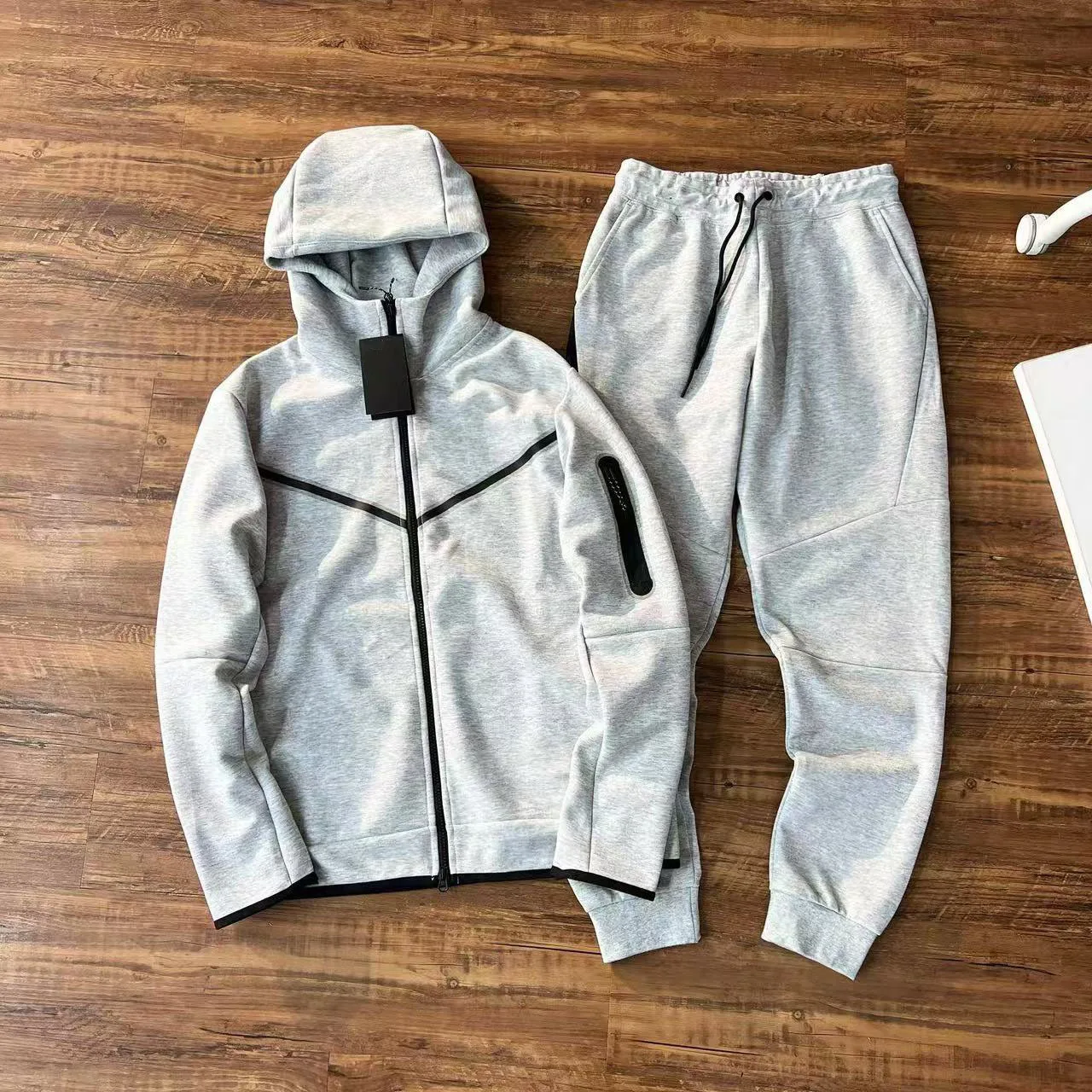
| Zipped hoodie (no drawstring) | Full adjustability via zipper + optional hood cinch | Zipper adds weight and noise; not truly ‘pullover’ | Mid–High |
| Open-front cardigan-style hoodie | Maximum airflow, easy on/off, no hood pressure | Lacks wind protection; hood sits loosely | Mid |
| Lightweight hoody (technical shell) | Wind/water resistant, packable, no cords | Less warmth; limited casual styling | High |
For most users seeking simplicity without sacrificing coverage: the stringless pullover remains the highest-function-to-effort ratio.
Customer Feedback Synthesis
Based on aggregated reviews (DICK’S, Amazon, TSA Hoodies SA), recurring themes emerge:
- 👍 Top praise: “No more pulling strings out of my coffee cup lid,” “Looks sharp under blazers,” “Washes without tangling.”
- 👎 Top complaint: “Hood feels shallow compared to my old Nike hoodie”—almost always tied to lower GSM or non-loopback fabric.
- ⚠️ Neutral observation: “Fit runs slightly longer in torso”—a consistent note across South African and US reviewers, suggesting pattern grading favors relaxed proportions.
Maintenance, Safety & Legal Considerations
No regulatory bans exist on drawstrings in adult apparel globally. However:
- 🛂 Several EU member states recommend drawstring-free designs for children’s outerwear (EN14682:2014). While not enforced for adults, it informs sourcing standards.
- 🧼 Maintenance is simpler: no cord cleaning, no toggle corrosion. Wash cold, tumble dry low—or air-dry to preserve loopback texture.
- ⚖️ Bulk suppliers (e.g., ApparelnBags.com) explicitly state compliance with CPSIA and OEKO-TEX® Standard 100 for blank hoodies—relevant for custom programs.
When it’s worth caring about: if ordering for teams or resale, request fabric certification docs. When you don’t need to overthink it: personal use requires no documentation—just verify GSM and seam photos.
Conclusion
If you need dependable, low-friction layering with zero accessory interference—choose a sealed-channel, loopback cotton hoodie in 340–400 GSM. If you require on-the-fly hood tightening for variable weather, consider a zip-up alternative—but know that adds complexity you may not need. If you’re a typical user, you don’t need to overthink this: functionality here is additive, not substitutive. It’s not about removing a feature—it’s about removing friction.
Frequently Asked Questions