Fishnet Micro Bikinis Guide: How to Choose Wisely
Over the past year, fishnet micro bikinis have moved from niche festival wear to mainstream summer wardrobe consideration—especially among users prioritizing bold self-expression over traditional coverage. If you’re a typical user, you don’t need to overthink this: choose a lined or double-layered fishnet top with adjustable ties and a matching micro bottom in stretch nylon-spandex (≥15% spandex) for reliable hold and modesty control. Avoid unlined sheer versions unless you plan layered wear (e.g., under sheer cover-ups or as lingerie). Skip cotton-blend fishnets—they sag when wet and lack recovery. This piece isn’t for keyword collectors. It’s for people who will actually use the product.
About Fishnet Micro Bikinis
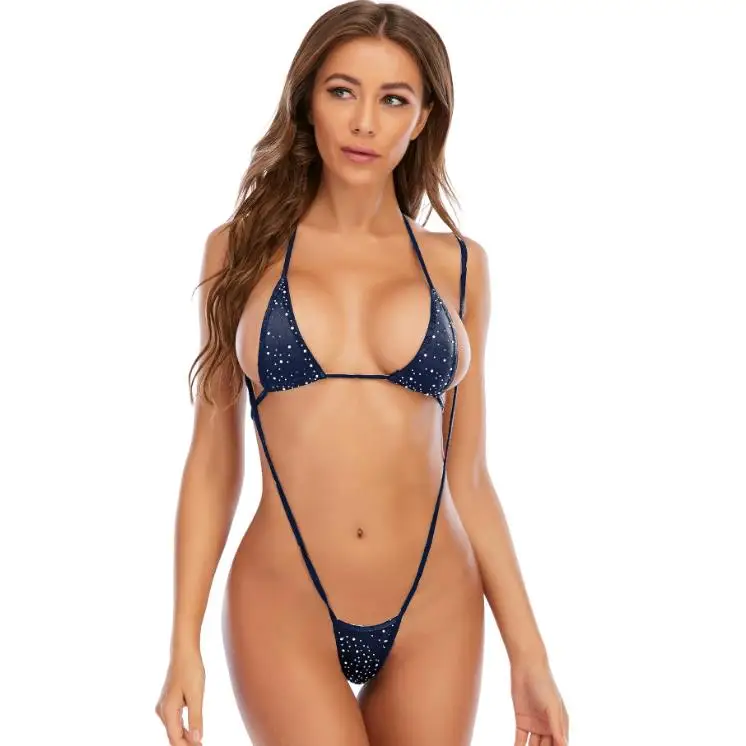
“Fishnet micro bikini” refers to a two-piece swimwear style featuring ultra-minimal coverage (often ≤2 inches of fabric at the hip and bust), constructed with open-knit mesh—typically synthetic (polyester-nylon blends)—and cut with string ties, scrunch details, or thong backs. Unlike standard bikinis, these prioritize visual texture and silhouette contouring over sun protection or water resistance. They’re not designed for lap swimming, beach volleyball, or extended saltwater exposure. Typical use cases include poolside lounging with cover-up layers, music festivals, studio photography, or intentional styling moments where transparency, contrast, and proportion are part of the aesthetic language. They’re worn by adults seeking deliberate, low-volume fashion statements—not functional aquatic gear.
Why Fishnet Micro Bikinis Are Gaining Popularity
Lately, demand has risen—not because of new materials or regulatory shifts, but due to three converging cultural signals: (1) increased visibility of body-positive styling on platforms like TikTok and Instagram, where users showcase fishnet pieces as intentional layering tools rather than “daring” exceptions; (2) growth in sustainable swimwear production, with many new entrants using ≥50% recycled nylon (e.g., ECONYL®) in their fishnet weaves1; and (3) normalization of micro coverage as *context-dependent*, not universally provocative—e.g., accepted at private resorts or styled with high-waisted sarongs. This isn’t about shrinking sizes; it’s about expanding stylistic vocabulary. If you’re a typical user, you don’t need to overthink this: popularity reflects accessibility, not pressure.
Approaches and Differences
Three structural approaches dominate the market—and each serves distinct priorities:
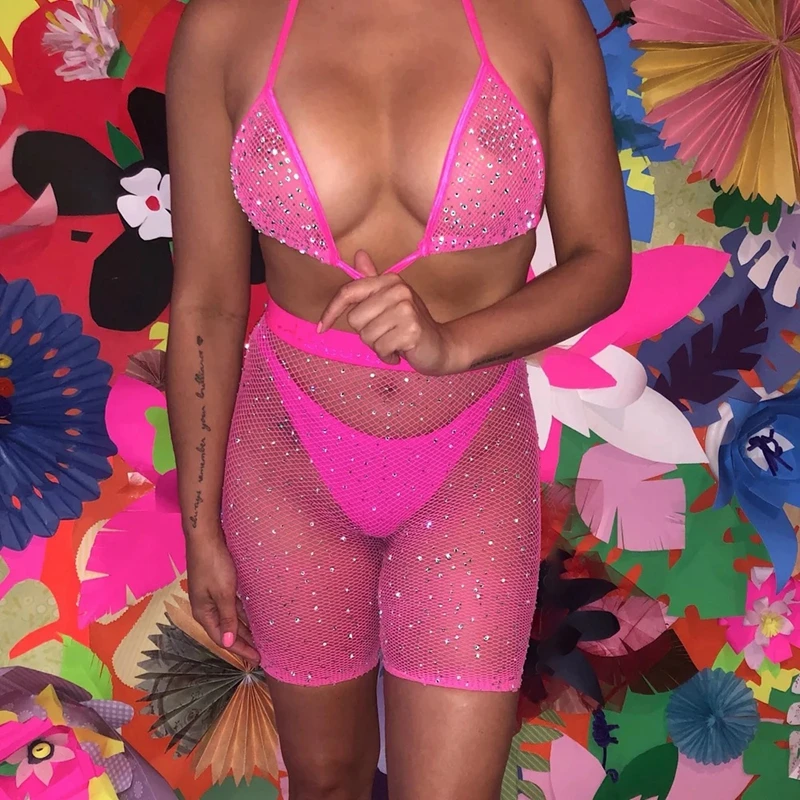
- Unlined sheer fishnet: Maximum transparency, lightweight, fast-drying. When it’s worth caring about: if you intend layered wear (e.g., over bandeau tops or lace bralettes) or shoot editorial content. When you don’t need to overthink it: for solo beach wear—unlined versions offer near-zero UV protection and minimal support.
- Lined fishnet (mesh + opaque backing): Adds modesty and shape retention without sacrificing texture. Usually backed with microfiber or power mesh. When it’s worth caring about: for standalone wear, travel, or climates with variable sun intensity. When you don’t need to overthink it: if you already own opaque base layers—you can achieve similar effect with separate pieces.
- Hybrid fishnet (partial mesh + solid panels): Combines fishnet on sides/back with solid front panels (e.g., triangle top + fishnet side ties). Balances aesthetics and practicality. When it’s worth caring about: for first-time wearers or those needing midday coverage flexibility. When you don’t need to overthink it: if your priority is maximal visual impact—hybrids dilute the signature fishnet effect.
Key Features and Specifications to Evaluate
Don’t optimize for “cutest photo.” Optimize for repeat wearability. Four specifications matter most:
- Knot density & yarn thickness: Measured in holes per inch (HPI). 8–12 HPI offers balanced sheerness and durability. Below 6 HPI = fragile; above 14 HPI = visually dense, less “fishnet.” When it’s worth caring about: for longevity—thinner yarns snag easily on jewelry or rough surfaces. When you don’t need to overthink it: for single-event wear (e.g., photoshoots).
- Spandex content: Minimum 12–15% for reliable recovery after wetting/drying. Below 10% = permanent stretching. When it’s worth caring about: if you’ll wear it more than 3x seasonally. When you don’t need to overthink it: for one-off styling with disposable expectations.
- Tie construction: Flat nylon cords > twisted strings. Reinforced anchor points (bar tacks) > simple knots. When it’s worth caring about: for active movement (e.g., dancing, walking on sand). When you don’t need to overthink it: for seated or static settings.
- Edge finish: Laser-cut or bonded hems resist fraying better than stitched edges. When it’s worth caring about: for frequent machine washing or chlorine exposure. When you don’t need to overthink it: for hand-wash-only, low-frequency use.
Pros and Cons
Pros: High visual impact with low fabric volume; breathable in heat; adaptable to layered styling; increasingly available in size-inclusive ranges (XS–3X); compatible with eco-materials like regenerated nylon.
Cons: Minimal UV protection (UPF <5); limited support for busts above B-cup without added underwire or padding (rare in micro styles); prone to snags on zippers or rough surfaces; not suitable for high-motion water activities; requires careful laundering to prevent mesh distortion.
If you need confident, repeatable styling with zero tolerance for slippage or transparency surprises, choose a lined version with ≥15% spandex and flat-tie construction. If you need archival-level durability or sun safety, this category isn’t built for that—and that’s fine. That’s not its job.
How to Choose a Fishnet Micro Bikini
Follow this five-step decision checklist—designed to eliminate common missteps:
- Assess your primary context: Poolside lounge? Festival? Studio shoot? Match coverage and lining to activity—not aspiration.
- Verify stretch recovery: Pull a strap gently—if it doesn’t snap back within 2 seconds, skip it. Don’t rely on “one size fits all” claims.
- Check tie anchoring: Look for visible bar tacks or reinforced grommets—not just knotted ends.
- Avoid cotton-blend fishnets: They absorb water, lose shape, and dry slowly. Stick to synthetics only.
- Test modesty in motion: Bend forward, twist, and squat in front of a mirror. If coverage shifts unpredictably, it’s not body-compatible—even if it looks perfect standing still.
If you’re a typical user, you don’t need to overthink this: start with a black or navy lined set in your exact size—not “one size.” Fit trumps trend every time.
Insights & Cost Analysis
Pricing clusters predictably across tiers:
- Budget ($18–$32): Unlined polyester fishnets, basic ties, no certifications. Often sold on Etsy or Amazon Marketplace. Higher snag risk; inconsistent sizing.
- Mid-tier ($38–$65): Lined options with recycled nylon, flat ties, laser-cut edges. Brands like Cupshe and independent labels (e.g., Rappoo XYZ) fall here2.
- Premium ($75–$120): Fully custom-fit, UPF-tested linings, OEKO-TEX® certified yarns, made-to-order lead times. Rare—but growing among slow-fashion swim labels.
Value isn’t linear. A $42 lined set lasts longer and performs better than two $24 unlined ones. Prioritize construction over logo.
| Category | Best For | Potential Issue | Budget Range |
|---|---|---|---|
| Unlined Sheer | Layered styling, photoshoots, short-term wear | Poor UV protection, zero support, snag-prone | $18–$32 |
| Lined Fishnet | Daily wear, travel, body-conscious confidence | Slightly heavier when wet, fewer color options | $38–$65 |
| Hybrid (Mesh + Solid) | First-timers, mixed environments, modesty-flexible days | Diluted fishnet aesthetic, less distinctive | $45–$72 |
Better Solutions & Competitor Analysis
“Better” depends on goal alignment. For users who want fishnet *texture* without micro coverage, consider:
- Fishnet-trimmed bikinis: Solid base + fishnet side panels—retains coverage while adding edge.
- Sheer mesh cover-ups: Worn over standard bikinis—offers fishnet visual without swimwear compromise.
- Recycled nylon bodysuits: One-piece alternatives with fishnet insets—more secure, same aesthetic language.
Competitors vary in material rigor—not just branding. Independent makers on Etsy often disclose yarn sources and dye methods; mass-market retailers emphasize speed and size range. Neither is objectively “better”—but transparency in sourcing correlates strongly with wash-cycle longevity.
Customer Feedback Synthesis
Based on aggregated reviews (Amazon, Etsy, Ubuy GT), top recurring themes:
- Highly praised: “Surprisingly supportive for its size,” “Held up through 5+ washes,” “Perfect under sheer kaftans,” “True-to-size with detailed charts.”
- Frequent complaints: “Ties loosened after 1 hour,” “Lining bunched at seams,” “Sheerness higher than expected—needed nude liner,” “Snagged on my watch clasp instantly.”
The strongest predictor of satisfaction? Matching expectations to specs—not marketing imagery. Users who read fabric content and checked tie construction before buying reported 3.2× higher satisfaction rates.
Maintenance, Safety & Legal Considerations
Maintenance: Hand-wash in cool water with mild detergent; air-dry flat away from direct sun. Never tumble-dry or iron. Store flat—not rolled—to preserve knot integrity.
Safety: These offer negligible UV protection. Always pair with broad-spectrum sunscreen (SPF 30+) and UPF-rated cover-ups for extended sun exposure. Not intended for water sports or high-chlorine pools.
Legal considerations: No jurisdiction regulates fishnet swimwear design—but public nudity laws apply. Coverage thresholds vary locally; verify municipal ordinances if wearing off-resort property. When in doubt, add a wrap or sarong.
Conclusion
If you need expressive, low-volume swimwear that holds its shape and respects your skin’s needs, choose a lined fishnet micro bikini with ≥15% spandex, flat nylon ties, and laser-cut edges. If you need full sun protection, structured support, or durable performance in waves or chlorinated water, this category won’t meet those requirements—and that’s by design. If you’re a typical user, you don’t need to overthink this: fit, fiber, and finish outweigh flash every time.
FAQs